An Uber or Lyft crash in San Francisco triggers immediate questions about medical care, insurance coverage, police reports, and who pays when multiple policies overlap based on the driver's app status. The steps you take in the first hours and days after a rideshare accident affect your ability to recover compensation, prove liability, and protect your legal rights.
A San Francisco rideshare accident lawyer at the Zinn Law Firm represents people injured in serious rideshare crashes throughout San Francisco and Mill Valley, and we've seen how proper documentation and timely action strengthen claims against rideshare drivers, insurance companies, and third parties.
Note: Don't panic if you were too injured, shaken, or unable to gather evidence at the crash scene. Many people are transported directly to the hospital, lose consciousness, or are physically incapable of taking photos or collecting witness information in the immediate aftermath of a serious collision.
Your attorney can help reconstruct what happened through police reports, surveillance footage, witness interviews conducted later, rideshare app records, medical records that document the severity of impact, and other investigative methods. The absence of scene photos doesn't destroy your claim; it just means we gather evidence differently.
Key Takeaways for San Francisco Rideshare Accidents
- Check for injuries first and call 911 if anyone needs medical attention, even if injuries seem minor at the scene
- Report the crash through the Uber or Lyft app immediately to create an official record, but avoid giving detailed recorded statements to insurance adjusters before consulting an attorney
- Document everything at the scene if you're able to do so safely, including photos of vehicles, injuries, road conditions, witness contact information, and ride details
- Which insurance policy applies depends entirely on the driver's app status at the moment of impact (offline, waiting for a request, en route to pickup, or carrying a passenger), and proving app status is critical to your claim
- Insurance adjusters from Uber, Lyft, or third-party insurers may contact you within days asking for recorded statements or offering quick settlements—decline detailed statements and avoid accepting offers before you know the full extent of your injuries
Step 1: Check for Injuries and Call 911 if Needed
Your first priority after any crash is making sure everyone is safe and getting medical attention for anyone who needs it. Call 911 if you or anyone else is injured, if vehicles are blocking traffic, or if the crash involves serious property damage. Emergency responders will assess injuries, provide initial medical care, and document the scene.

Even if injuries seem minor at the scene, many rideshare accident injuries don't produce immediate symptoms. Concussions, whiplash, soft tissue damage, and internal injuries can take hours or days to become apparent. Adrenaline and shock mask pain in the immediate aftermath of a crash, and delaying medical care gives insurance companies an argument that your injuries weren't serious or weren't caused by the accident.
Step 2: Request a San Francisco Police Department Collision Report
If San Francisco police officers respond to the crash, they will create a traffic collision report that documents the scene, identifies all parties involved, records witness statements, and notes any traffic violations or citations issued. You or your rideshare accident lawyer can request a copy of the collision report. You'll need the report number and incident date to retrieve it later through the San Francisco Police Department's records division.
A police report isn't legally required for every rideshare accident, but it provides an official, third-party account of what happened. Insurance companies give more weight to claims supported by police reports, and the report becomes critical evidence if liability is disputed or if the other driver's version of events conflicts with yours.
Step 3: Document the Scene If You're Able to Do So Safely
If you're physically able and it's safe to move around the crash site, document everything before vehicles are moved or towed. Evidence that strengthens your rideshare accident claim includes:
Photos and video of all vehicles involved. Capture damage from multiple angles, license plates, and the position of vehicles on the road. These images show the force of impact and help reconstruct how the crash happened.
Photos of your visible injuries. Cuts, bruises, swelling, and road rash should be documented immediately and again as they heal. This visual timeline supports pain and suffering claims.
Road conditions and traffic controls. Photograph traffic signals, stop signs, crosswalks, bike lanes, weather conditions, lighting, and any obstructions or hazards that contributed to the crash. If the crash happened at an intersection, capture all approaches and signal positions.
Witness contact information. Get names and phone numbers from passengers in other vehicles, pedestrians, cyclists, or anyone who saw the crash. Witness statements provide independent accounts that counter conflicting versions from drivers or insurance adjusters.
Ride details if you were a passenger or the rideshare driver. Screenshot your trip receipt showing pickup and drop-off locations, time, fare, and driver information. Save the trip ID, driver name, and vehicle details. This proves the ride was active and helps establish which insurance coverage applies.
Driver information from all parties. Get the other driver's name, phone number, insurance company, policy number, license plate, and driver's license number. If you were hit by a rideshare vehicle, note whether the driver said they were working at the time.
As we’ve already noted, it is okay if you were unable to gather evidence on the scene. Your San Francisco car accident attorney can investigate and gather this evidence through different methods.
Step 4: Report the Crash Through the Uber or Lyft App
Both Uber and Lyft require you to report accidents through their apps. Open the app, go to your trip history, select the relevant ride, and follow the prompts to report the incident. The app will ask for details about what happened, who was involved, and whether anyone was injured.
Reporting through the app creates an official record with the rideshare company and documents the time, location, and parties involved. This report triggers the company's internal claims process and notifies their insurance carrier.
However, be cautious about what you say in the app report and in any follow-up communication with Uber, Lyft, or their insurers. Stick to basic facts: date, time, location, parties involved, and that you were injured. Avoid giving detailed statements about how the crash happened, admitting fault, or speculating about injuries before a doctor has fully evaluated you.
Your lawyer can handle all further communication with the rideshare company and their insurer.
Step 5: Understand Which Insurance Coverage Applies
Rideshare insurance coverage in California depends entirely on the driver's app status at the moment of the crash.
Period 0 (App Offline): The driver's personal auto insurance applies. Uber and Lyft provide no coverage. If the driver's personal policy excludes rideshare activity—many do—you may be dealing with an uninsured driver.
Period 1 (App On, Waiting for Request): As of January 1, 2026, California law requires rideshare companies to provide $500,000 in liability coverage and $100,000 in uninsured/underinsured motorist coverage during this period. Before 2026, coverage was limited to $50,000 per person for bodily injury, $100,000 per accident, and $25,000 for property damage.
Period 2 (Driver Accepted Request, En Route to Pickup): Uber and Lyft provide $1 million in liability coverage once the driver accepts a ride and is traveling to pick up the passenger.
Period 3 (Passenger in Vehicle): Uber and Lyft provide $1 million in liability coverage from the moment the passenger enters the vehicle until they exit at their destination.
The app status at the exact moment of the crash determines coverage, and rideshare companies and their insurers scrutinize this status to minimize payouts. Drivers sometimes claim they were offline when evidence suggests otherwise, and insurers dispute whether a ride had been accepted or whether the passenger was in the vehicle.
Step 6: Seek Medical Care and Keep All Documentation
Follow your doctor's advice, attend all follow-up appointments, and complete recommended treatment plans. Insurance companies scrutinize gaps in medical care and argue that injuries weren't serious if you missed appointments or stopped treatment.
Keep every document related to your injuries and medical care:
- Emergency room records and discharge instructions
- Doctor visit notes and specialist referrals
- Diagnostic imaging reports (X-rays, MRIs, CT scans)
- Prescription records and medication receipts
- Physical therapy notes and treatment plans
- Medical bills and itemized statements
- Lost wage documentation from your employer
This paper trail supports the full scope of your damages when negotiating with insurance companies. Medical records link your injuries directly to the crash and establish the extent of treatment required.
Step 7: Avoid Early Statements and Settlement Offers
Insurance adjusters from Uber, Lyft, or third-party insurers may contact you within days of the crash, asking for recorded statements or offering quick settlements. Be cautious about what you say and don't agree to anything before understanding the full extent of your injuries.
Quick settlement offers typically come before you know whether you'll need surgery, long-term treatment, or time off work. Once you accept a settlement and sign a release, you cannot pursue additional compensation even if your injuries turn out to be more serious than you initially thought.
You have no legal obligation to give a recorded statement to the other party's insurance company. Politely decline and consult an attorney before engaging in detailed discussions about fault, injuries, or settlement amounts.
What Not to Say to Insurance Adjusters After a San Francisco Rideshare Crash
Certain statements harm your claim even if they seem harmless at the time:
"I'm fine" or "I feel okay." You may not know the full extent of your injuries immediately after the crash. Soft tissue injuries, concussions, and internal damage don't always produce symptoms at the scene.
Detailed descriptions of how the crash happened. Stick to basic facts until you've consulted an attorney. Adjusters use your words to assign you fault or create inconsistencies with the police report.
Admissions of fault or apologies. Even saying "I'm sorry" can be interpreted as accepting responsibility. California's comparative fault rule reduces your compensation by your percentage of fault, so avoid statements that suggest you contributed to the crash.
Guesses about your injuries or recovery time. Don't speculate about how long you'll be out of work, whether you'll need surgery, or when you'll feel better. You don't know yet, and adjusters will hold you to optimistic statements made before you understood the severity of your injuries.
Agreement to recorded statements without legal advice. You have no legal obligation to give a recorded statement to the other party's insurer. Politely decline and consult an attorney first.
Step 8: Keep a Recovery Journal
Documenting how the crash affects your daily life can help your injury claim. Keep a journal with dated entries about pain levels, limitations on activities, missed work, appointments, and how injuries affect your ability to care for yourself or your family. This record supports pain and suffering claims and provides a timeline that medical records alone don't capture.
Step 9: Preserve Evidence Before It Disappears
Evidence disappears quickly after rideshare accidents. Witnesses move, forget details, or become unavailable. Rideshare app records may not be preserved indefinitely. Road conditions change, vehicles get repaired, and physical evidence from the scene is lost.
Act promptly to preserve:
- App records and trip details before they're deleted
- Witness statements while memories are fresh
- Photos and video from the scene before vehicles are moved or repaired
- Medical records documenting the immediate aftermath of the crash
- Dashcam or helmet camera footage if available
- Social media posts or messages related to the crash (your own and others')
Your Zinn Law Firm lawyer can issue preservation letters to Uber, Lyft, and insurance companies requesting that they retain app logs, GPS data, driver records, and internal incident reports that support your claim.
Step 10: Consult a San Francisco Rideshare Accident Attorney
You're not legally required to hire an attorney, but rideshare crashes involve layered insurance coverage, app status disputes, and competing liability claims that insurance companies use to minimize payouts. We handle evidence gathering, app status verification, and negotiation with multiple insurers, allowing you to focus on recovery. Cases involving serious injuries or disputed coverage particularly benefit from representation.
The Zinn Law Firm offers free consultations and we work on contingency. Bring your medical records, photos, police report, ride receipts, and any documentation from the scene. We'll review what happened, assess the strength of the evidence, and explain what a viable claim requires.
FAQ for San Francisco Rideshare Accidents
What If the Rideshare Driver Left the Scene After the Crash?
Hit-and-run crashes involving rideshare drivers may be covered by your own uninsured motorist policy, and if the driver was on-app when they fled, Uber or Lyft's insurance may also apply. Report the hit-and-run to San Francisco police immediately and through the rideshare app, and preserve any photos, witness information, or dashcam footage that might help identify the driver.
What If I Was Injured as a Pedestrian or Cyclist Hit by a Rideshare Vehicle?
Pedestrians and cyclists hit by rideshare drivers pursue claims against the applicable insurance policy based on app status. These claims require proving app status at the time of impact and documenting the full extent of injuries, which may include catastrophic harm like broken bones, head trauma, or spinal damage.
Can I File a Claim If I Was Partly at Fault for the Crash?
California follows a pure comparative negligence system, which means you can recover compensation even if you share fault. Your compensation is reduced by your percentage of responsibility, but you're never completely barred from recovery based on fault alone.
How Long Does It Take to Settle a Rideshare Accident Claim in San Francisco?
Settlement timelines vary based on injury severity, liability disputes, and insurance company cooperation. Rushing to settle before reaching maximum medical improvement risks accepting less than your claim is worth. At The Zinn Law Firm, we strive to balance obtaining fair compensation with reasonable timelines.
What If the Rideshare Driver's Personal Insurance Denies My Claim?
Personal auto insurance policies exclude rideshare activity, and insurers routinely deny claims when drivers were logged into Uber or Lyft at the time of the crash. An attorney can help prove which coverage period applies and pursue compensation from the correct insurer.
Protect Your Rights After a San Francisco Rideshare Crash
The steps you take in the hours and days after an Uber or Lyft accident affect your ability to prove liability, document damages, and recover fair compensation. Medical care, scene documentation, app records, and timely legal consultation strengthen your position when insurance companies dispute coverage or minimize injuries.
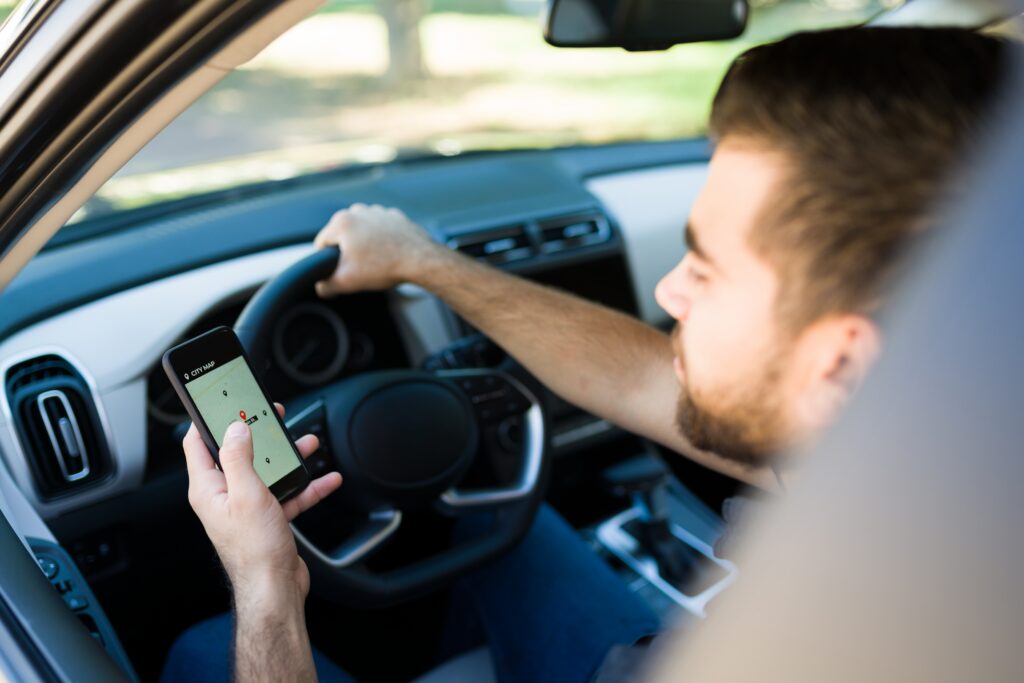
To discuss a potential rideshare accident case in San Francisco or Mill Valley, call The Zinn Law Firm. Our San Francisco personal injury attorney is here to answer your questions and is ready to fight for fair compensation.